
What does it mean for search marketers and brands?
Ever wondered how brands can reach people exactly when they’re searching for inspiration? That’s what Pinterest’s latest feature is all about.
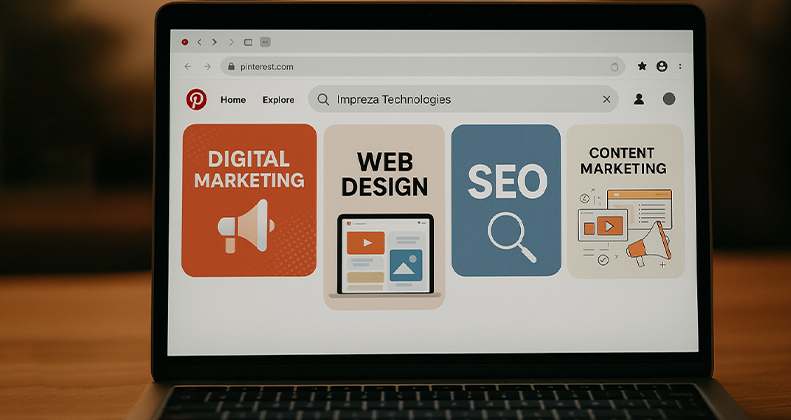
Pinterest has rolled out its new “Top of Search” ads, currently in beta across all monetised markets — and it’s a move that could reshape how advertisers think about visual search intent.
So what exactly are these new ads? How do they help marketers? And why is everyone in the digital space talking about it? Let’s break it down.
What are the highlights of Pinterest’s Top of Search Ads?
Pinterest’s latest beta launch places ads right where users are most likely to click — within the top ten search results and the “Related Pins” section.
Here’s what makes this update stand out:
- Prime placement: Ads now appear among the first search results, giving brands more visibility when users are actively looking for ideas or products.
- Unbranded search advantage: About 96% of searches on Pinterest are not brand-specific, meaning even small businesses can get noticed.
- Higher performance: Early testing shows a 29% higher click-through rate (CTR) and a 32% increase in new user reach compared to standard Pinterest ad formats.
- Better integration: With new tools like Media Network Connect, brands can connect retailer data, first-party audiences, and product catalogues more efficiently.
That’s not just another ad placement — it’s a new opportunity to meet users right at the moment of curiosity.
How does this change things for search marketers?
Marketers live by visibility, and Pinterest’s new slot gives them a fresh way to appear during visual discovery.
So how exactly does it help?
It connects intent and creativity.
Users come to Pinterest lookingfor ideas — a search-based mindset that marketers can now tap into visually.
It reaches undecided buyers.
Since most searches are unbranded, marketers can grab attention before a purchase decision is made.
It offers new data insights.
Through Media Network Connect, advertisers can understand performance better and target smarter.
It gives early adopters an edge.
With the feature still in beta, marketers testing now will have valuable experience and benchmarks before it becomes mainstream.
In short, if you’ve been relying only on Google or Meta for intent-driven visibility — Pinterest just opened a new door.
Why does it matter for businesses and brands?
You might be asking, “Is Pinterest really worth my attention?”
Yes, and here’s why:
- Pinterest’s audience is massive and ready to buy: Over 600 million users visit the platform monthly, and most come with shopping or planning intent.
- Less competition (for now). Because this feature is still in beta, ad costs might be lower — a good time to experiment before everyone else joins in.
- Visual search is the future. Gen Z and Millennials increasingly start product searches with images rather than words. Pinterest sits at that intersection of search + inspiration.
- Early engagement builds brand memory. Users discovering your brand during inspiration mode often return later when ready to purchase.
So when someone asks, “Why should I advertise on Pinterest?” the answer is simple — it’s where ideas turn into intent, and intent becomes action.
How can brands make the most of this?
You might be wondering, “What’s the best way to use Top of Search ads?”
- Focus on category keywords instead of brand names. Users are searching “minimalist home decor” or “office outfit ideas,” not specific products.
- Use high-quality visuals that feel native to Pinterest. The ad should blend in seamlessly while still standing out.
- Keep landing pages relevant. If a user clicks a product idea, the page they reach should deliver on that promise instantly.
- Track results closely during this beta phase to understand what creative and targeting strategies perform best.
Early adopters here will learn lessons others can’t yet see.
FAQs
They’re sponsored placements that show up among the first ten search results and in related pin sections — helping brands reach users actively searching for ideas.
Currently, it’s available in beta across all monetised Pinterest markets. Businesses can apply to test it through their Pinterest Ads Manager.
Regular ads often appear in feeds or browsing sections. Top of Search ads appear when users search, making them far more intent-driven.
Absolutely. Since most searches are unbranded, even small or niche brands can rank visually with the right creative and keyword strategy.
Use bold, vertical images, clear product focus, and text overlays that inspire action (like “Shop this look” or “Try this idea”).
Final Thoughts
Pinterest’s “Top of Search” ads bridge the gap between inspiration and intent — letting brands reach people when they’re actively searching for what to try, buy, or create. It’s a smart blend of creativity and timing, and early adopters stand to gain the most.
If you want to test this new ad format, optimise visuals for voice-driven discovery, or expand your brand’s visibility beyond Google and Meta, Impreza Technologies can help.
We’ll craft Pinterest ad strategies that don’t just look good — they perform.
Let’s make your brand the first thing people see (and say) when they search.