
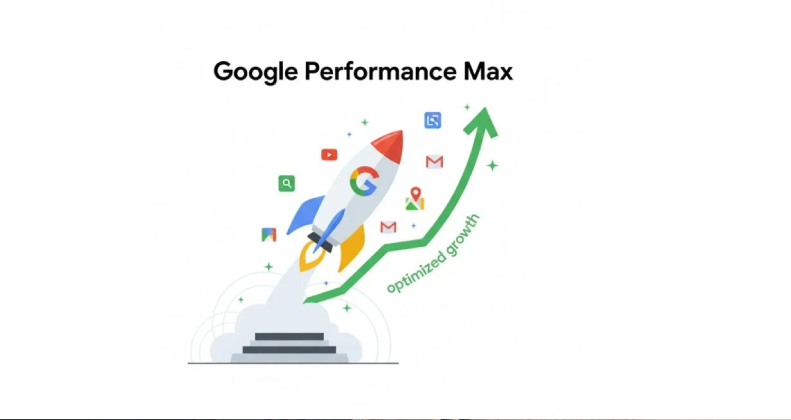
Google Ads has long promised efficiency through automation, but many advertisers often felt like they were running campaigns inside a sealed box. Performance Max (PMax) took that automation to new heights, combining Search, YouTube, Display, Gmail, Maps, and Discover into one campaign type. Yet the question remained: which channel is actually driving results?
With channel performance reporting, that curtain is finally lifting. This feature allows advertisers to see exactly how each Google channel contributes to campaign outcomes — from impressions to conversions. Let’s explore why this matters and how you can use it to sharpen your strategy.
What Is Channel Performance Reporting in PMax?
Channel reporting breaks down your PMax campaign into distinct views, showing you where activity is happening. Instead of lumping all results together, you can now view performance by surfaces such as:
- Search – capturing high-intent queries
- YouTube – driving awareness and storytelling
- Display – expanding reach through banners and visuals
- Gmail & Discover – nudging potential customers in their daily routines
- Maps – highlighting location relevance
For each channel, you’ll see impressions, clicks, cost, conversions, and conversion value. That’s a huge step forward in understanding what really works.
Why It Matters
- Transparency and trust
Advertisers now know where their money is going, not just the total results.
- Smarter budget allocation.
By spotting the channels that deliver the highest return, you can funnel more spend into what works best for your business.
- Creative fine-tuning.
Performance isn’t just about budget — it’s also about how your creatives perform on different channels. Video may shine on YouTube, while crisp imagery might convert better on Display.
- Local insights.
For businesses in India, where YouTube usage is massive and mobile search dominates, seeing channel-level impact helps tailor campaigns to cultural and behavioural patterns.
How to Access the Report
- Sign in to Google Ads
- Open your Performance Max campaign
- Head to the Reports or Insights section
- Look for the Channel Performance view
Here you’ll find both visual breakdowns (charts, graphs) and tables that let you drill into specific metrics.
How to Make the Most of It
- Track patterns over time
Don’t just glance once — monitor weekly. Some channels deliver slow-burn results while others peak quickly.
- Refine creatives
Adjust messaging and formats for each channel. Test variations in video length, headlines, or imagery.
- Watch for gaps
If one channel is underperforming, check whether the right assets (like video or location extensions) have been provided.
- Use insights for storytelling
Reporting isn’t just about tweaking campaigns. It gives you a narrative to share with clients, stakeholders, or your own team about how advertising is working.
Challenges to Remember
- No full control: You still can’t switch channels off entirely; Google distributes placements automatically.
- Attribution overlap: Conversions may involve multiple touches, so don’t assume one channel “owns” the result.
- Data thresholds: Smaller campaigns may not show deep detail due to privacy rules.
FAQs
- Can I allocate budget to a single channel within PMax?
No. Budgets remain unified. Channel reporting only provides insights — you cannot ring-fence spend per channel.
- Does this replace standard campaign types like Search or YouTube campaigns?
Not at all. PMax with channel reporting adds transparency, but dedicated campaigns still give more granular control if you want it.
- How often should I review the channel reports?
Ideally once a week, and more frequently after major changes in assets, targeting, or bidding.
- Is this feature available to everyone?
Yes, it is gradually rolling out globally, including in India. If you don’t see it yet, check back after updates.
- What’s the best way to act on these insights?
Use them to refine creatives, provide missing asset types, and understand how different surfaces contribute to your goals. Over time, build a library of learnings unique to your brand.
Final Thoughts
Performance Max channel reporting is more than a dashboard update — it’s a bridge between automation and actionable insight. By showing how each Google channel plays its part, it helps marketers balance creativity with strategy.
For businesses in India and beyond, this is an opportunity to learn not just what works, but where it works. And that knowledge can transform how you plan your campaigns in the future.